The Retrace Blog
Reviewing trades, reading your own metrics honestly, and building a journaling workflow that keeps you consistent — and funded.
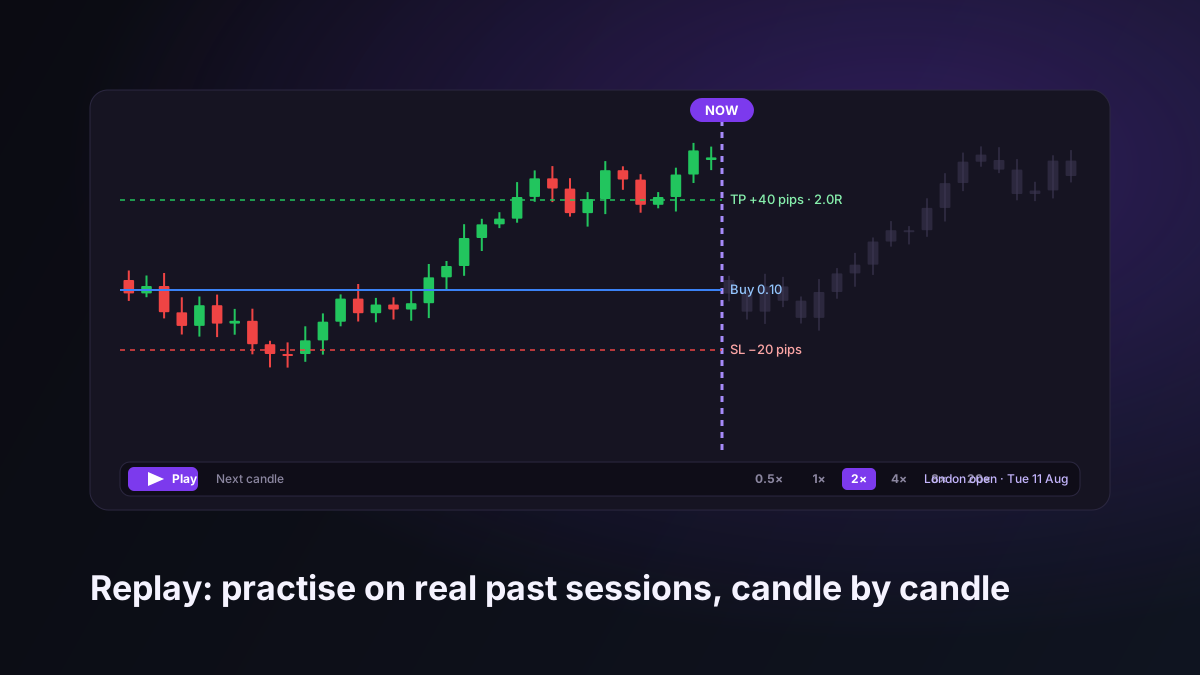
Replay: practise a trading session before you risk a cent
Replay plays a real past day back to you one candle at a time — jump to the London or New York open, trade it with play money, and review the result. Here is what it is and how to run your first session.
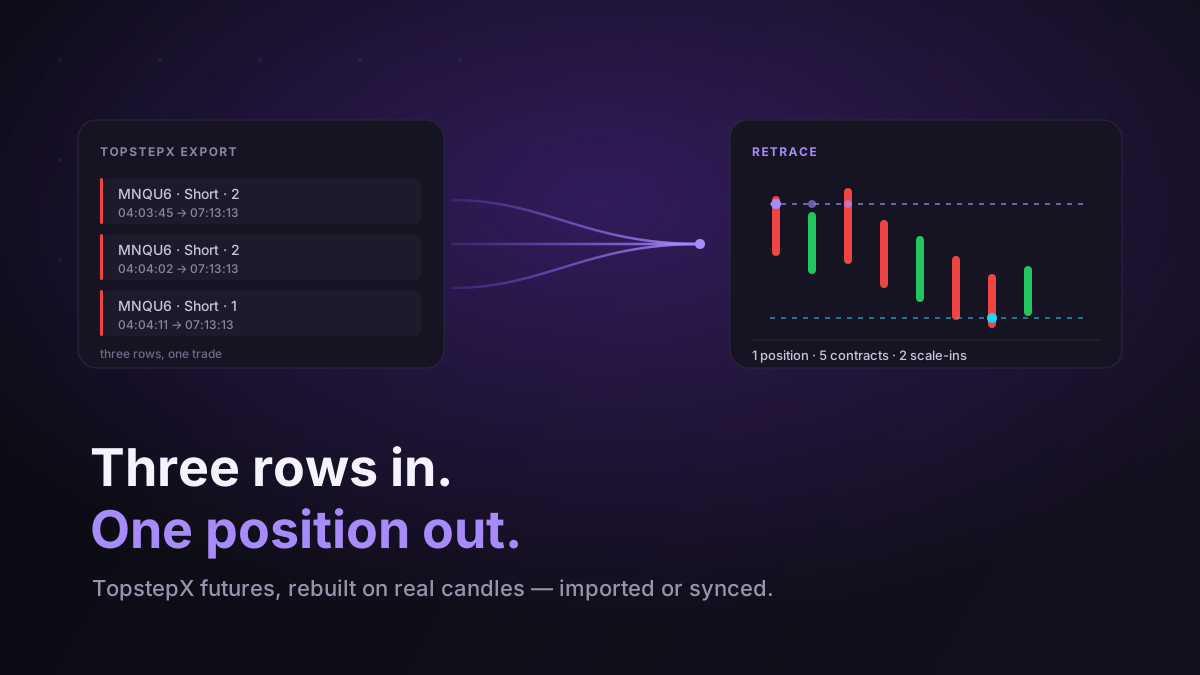
TopstepX futures, journaled properly
Futures traders have been stuck with journals that count one position as three trades. Retrace now imports and auto-syncs TopstepX — reconstructing real positions, matching your statement to the cent.
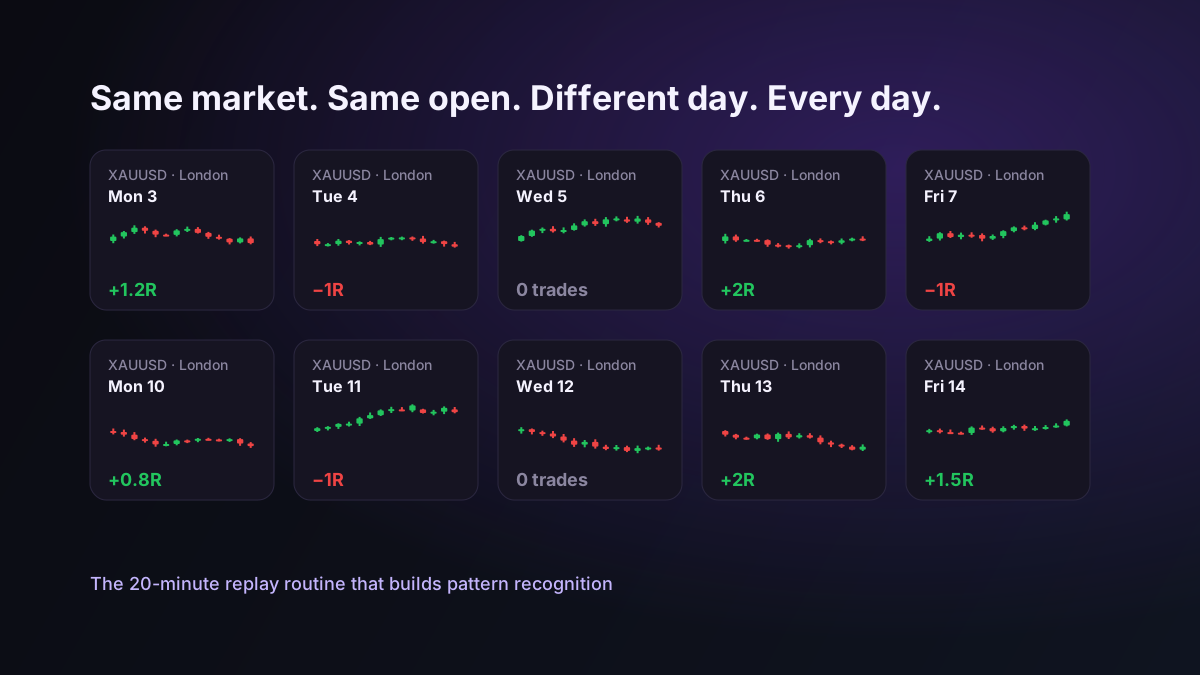
The 20-minute replay routine that builds pattern recognition
Pattern recognition is a sample size, not a rule. Same market, same session open, a different day every day, one sentence written down — a routine for anyone with twenty minutes.
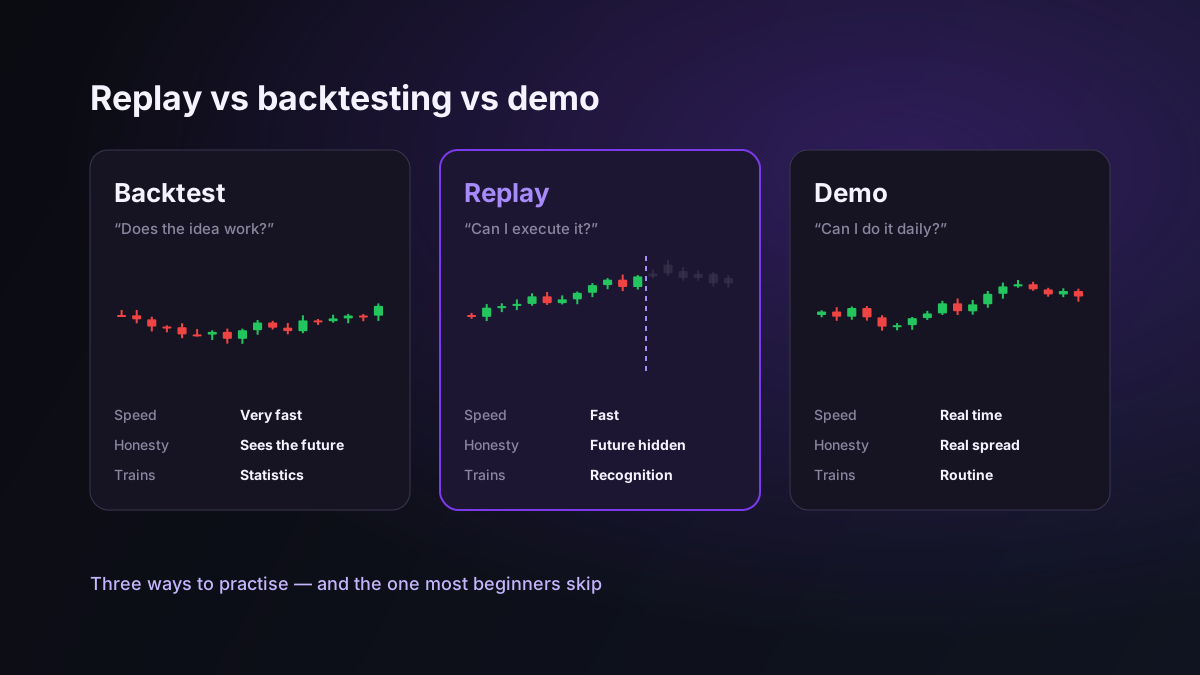
Replay vs backtesting vs demo: which one actually makes you better?
Three ways to practise without risking money, and they answer different questions. Backtesting tests the idea, replay tests whether you can execute it, demo tests the routine — and most beginners skip the middle one.
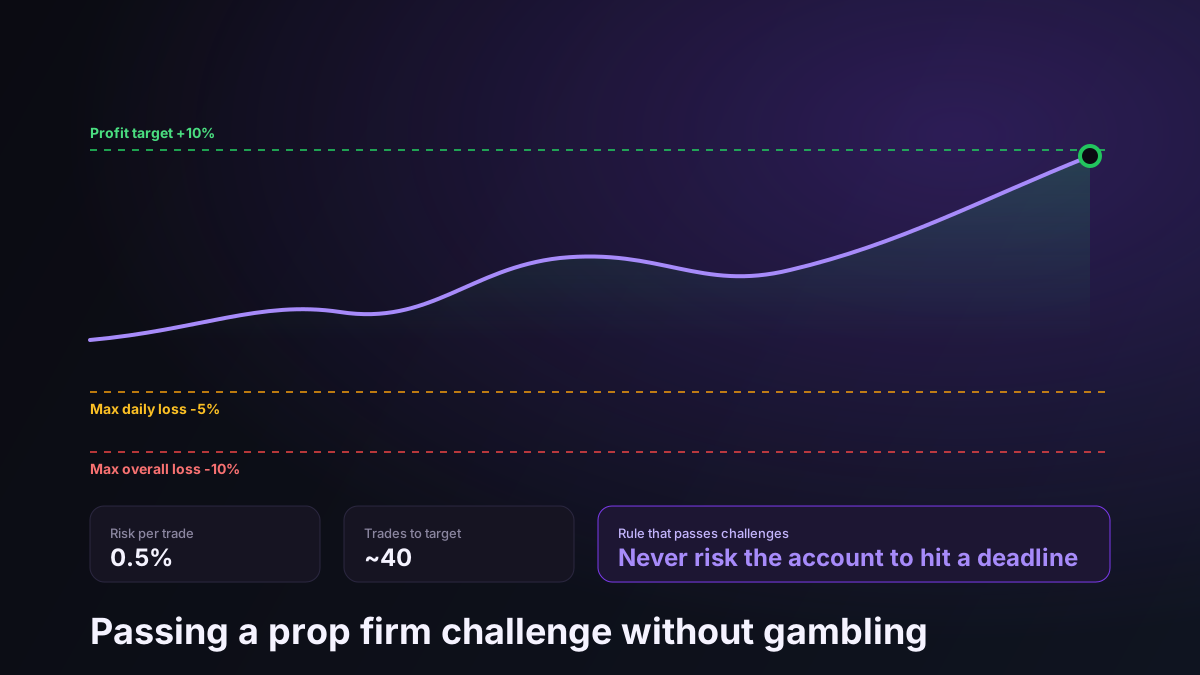
Passing a prop firm challenge without gambling
Most challenges are not failed by bad analysis. They are failed by sizing up to hit a target before a deadline. Here is the arithmetic that makes passing boring.
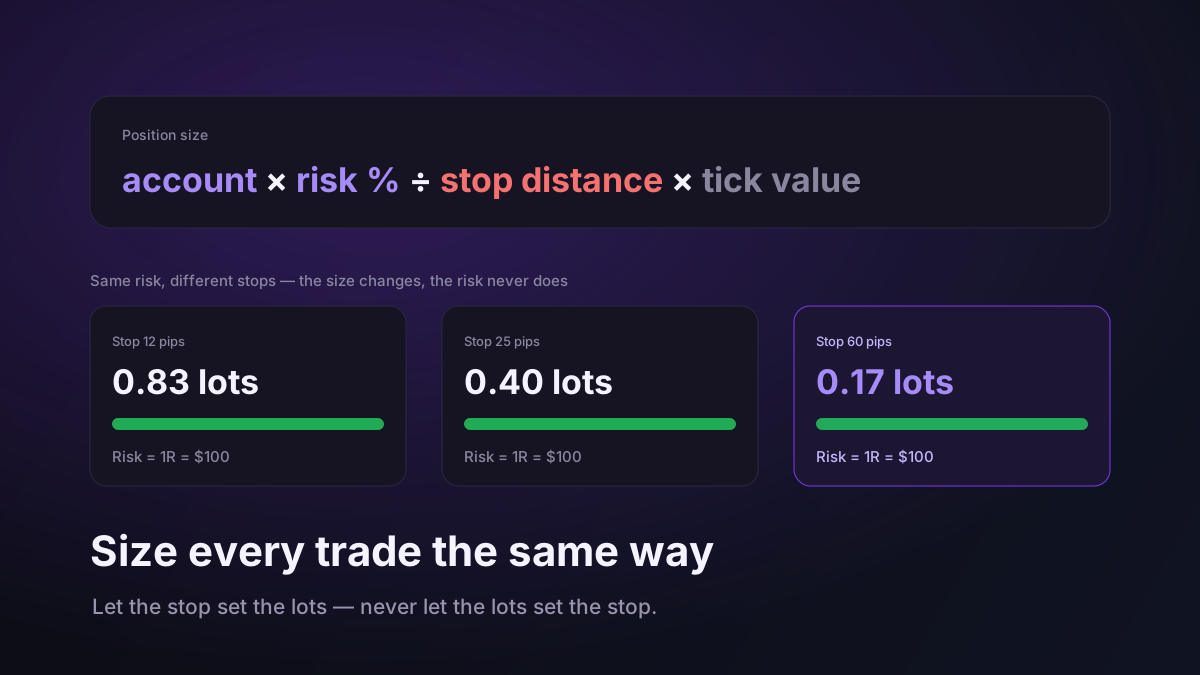
Size every trade the same way: a practical guide to risk per trade
Let the stop set the lots, never let the lots set the stop. The formula takes ten seconds and removes the single biggest source of variance in most trading records.
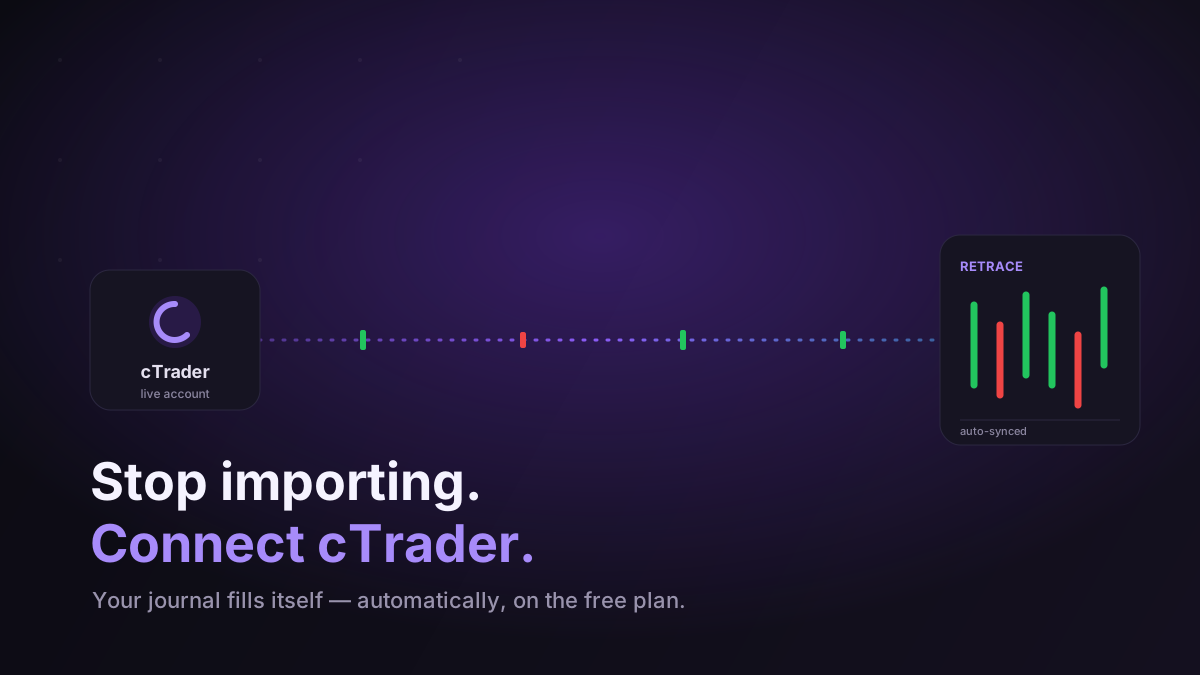
Stop importing your trades. Connect cTrader and let your journal fill itself
The best journal is the one that is actually up to date. Here is why we built free cTrader auto-sync, and why connecting once beats exporting a CSV every week.
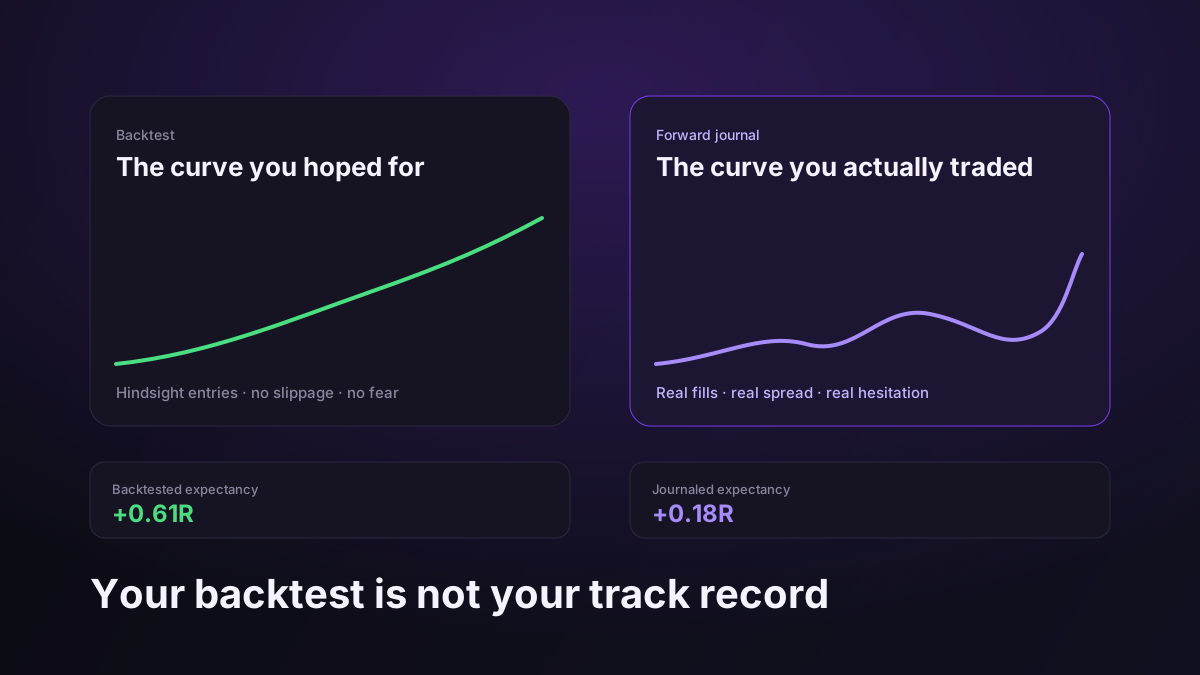
Your backtest is not your track record
Backtests are optimistic by construction. Forward journaling is the only record that includes the part of the system that hesitates, panics and clicks early — you.
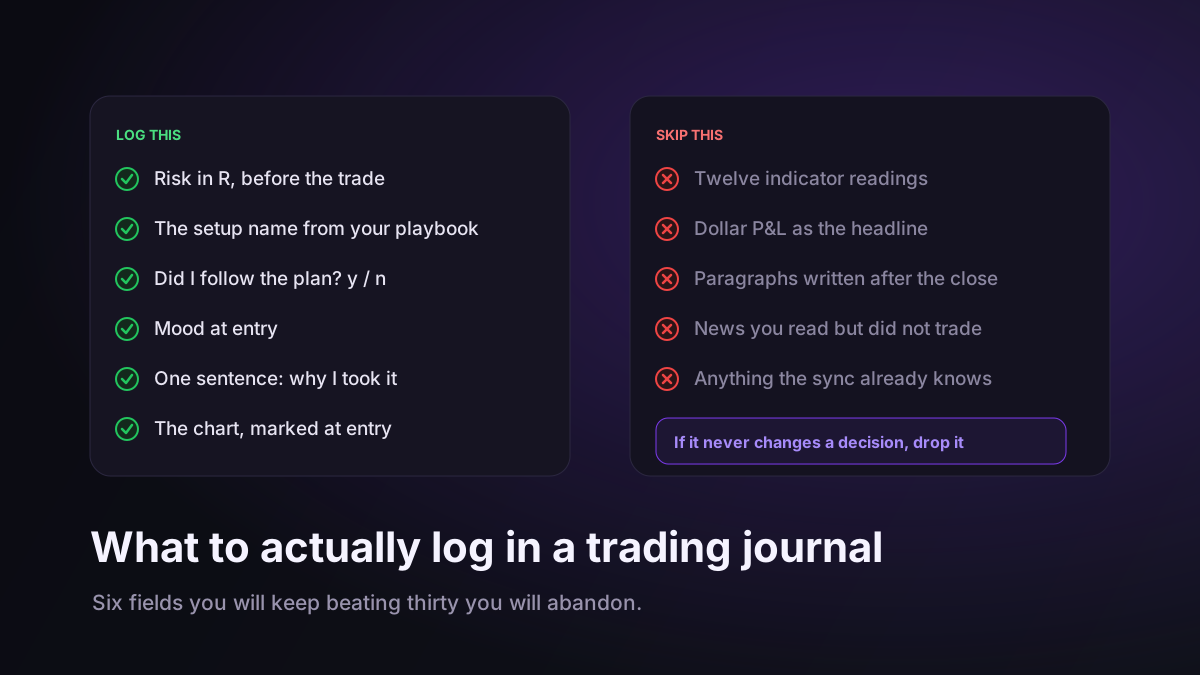
What to actually log in a trading journal (and what to skip)
Elaborate journals get abandoned in three weeks. Six fields you will maintain forever beat thirty you will not — here is the shortlist and the reasoning behind each.
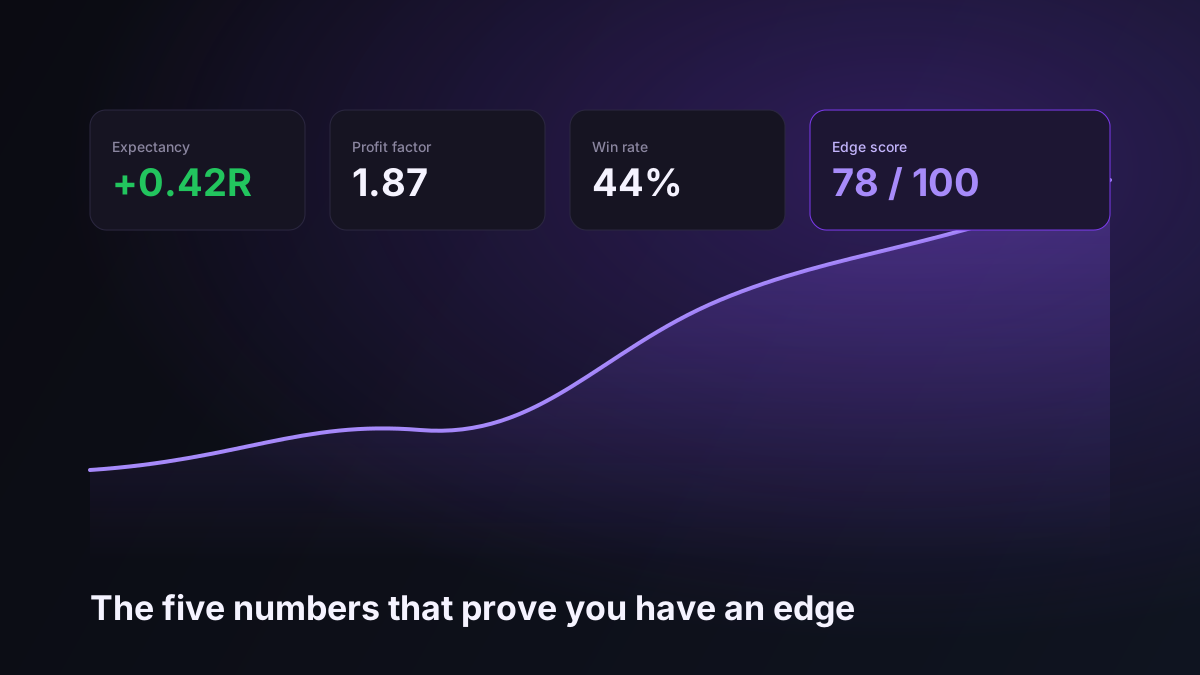
The five numbers that prove you have an edge
Forget the noise. Five numbers tell you whether your trading is a business or a hobby — and each one has to be read honestly to mean anything.
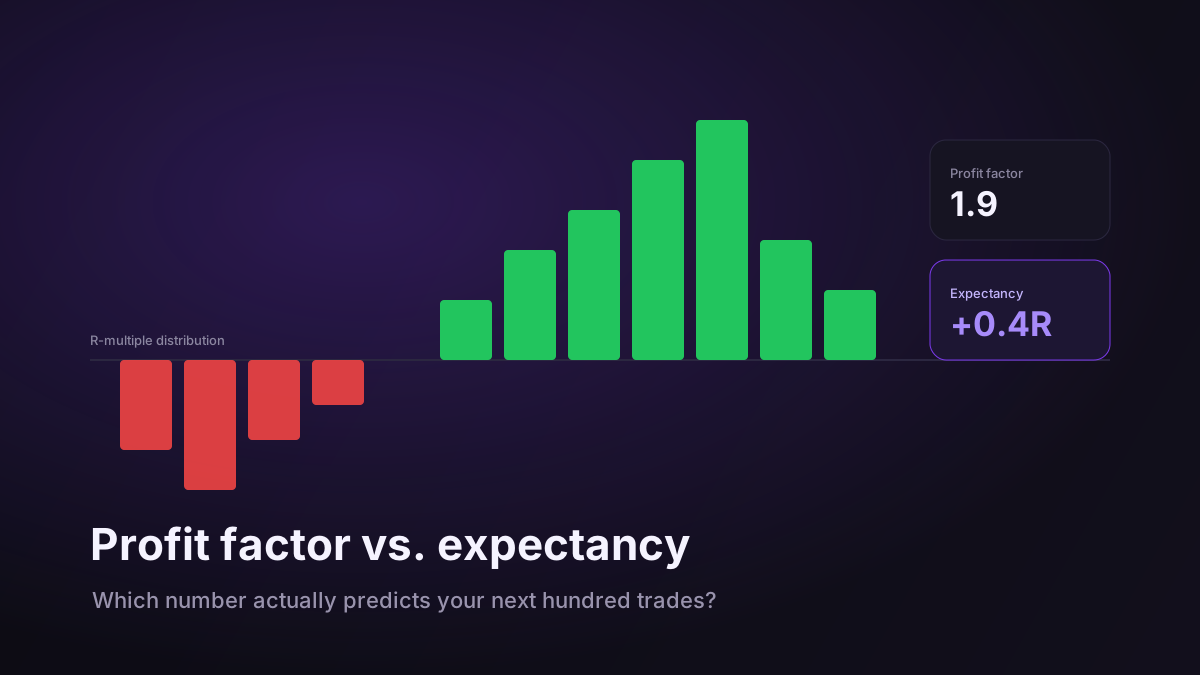
Profit factor vs. expectancy: which one predicts your future?
Two of the most-quoted trading metrics measure different things. Here is what each one really tells you, where each one lies, and which to trust when they disagree.
Making a living with a 44% win rate: expectancy over accuracy
You do not need to be right most of the time. You need to be paid more when you are right than you lose when you are wrong. Here is the math, and how to journal it.
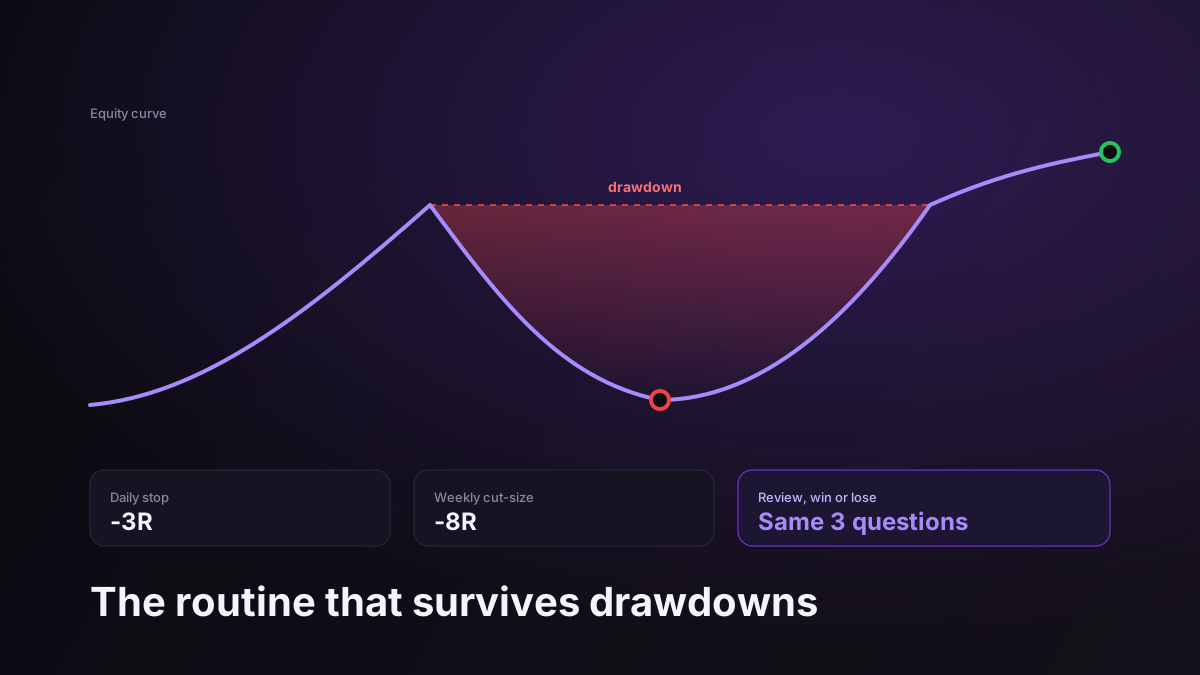
The trading routine that survives drawdowns
Every strategy has a losing streak in its future. The traders who survive are not the ones who avoid drawdowns, they are the ones whose routine does not change when the drawdown arrives.
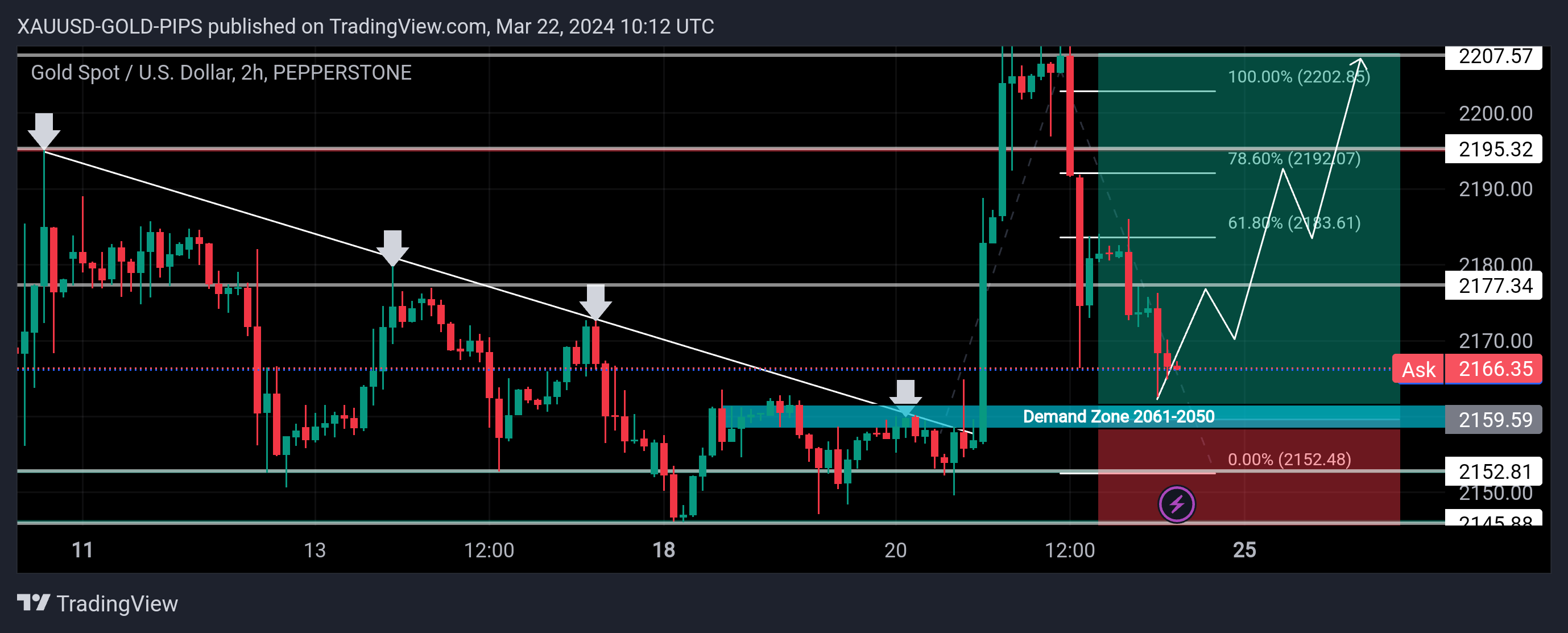
Journaling XAUUSD on FTMO: a workflow that keeps you funded
Gold moves fast and prop rules are unforgiving. A concrete journaling workflow for trading XAUUSD under an FTMO-style challenge: tracking risk in R, session timing, avoiding revenge trades near targets, using the calendar and mood tags, and importing your cTrader statement so nothing slips through.
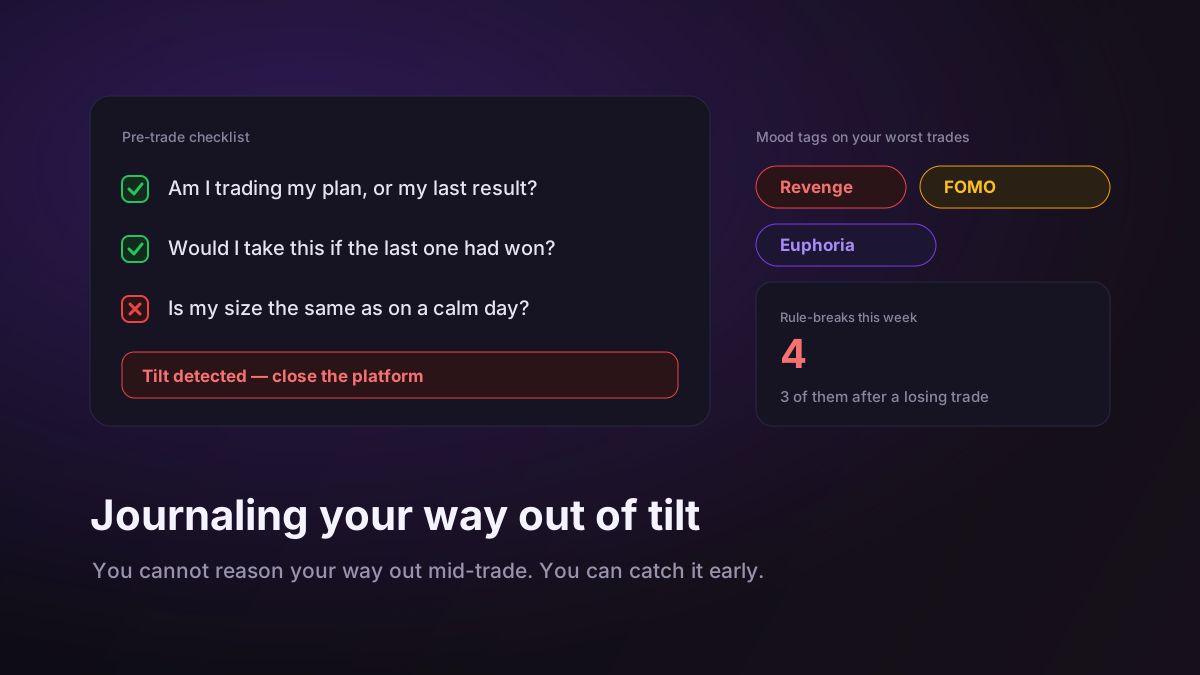
Journaling your way out of tilt: a psychology checklist
Tilt is the quiet account-killer: revenge trades, oversizing, chasing. You cannot think your way out of it in the moment, but you can build a journal that catches it early.
Why your win rate is lying to you
Win rate is the most quoted and least useful number in trading. A 70% win rate can quietly drain your account while a 40% system prints. Here is the math of expectancy, payoff ratio and profit factor, with worked examples, and how to read your real edge.

How to actually review your trades: a repeatable weekly workflow
Most traders "review" by scrolling the equity curve until they feel something. That is not review. Here is a concrete 20-minute weekly workflow that separates process from outcome, and turns your journal into one better rule every week.