Journaling XAUUSD on FTMO: a workflow that keeps you funded
Gold moves fast and prop rules are unforgiving. A concrete journaling workflow for trading XAUUSD under an FTMO-style challenge: tracking risk in R, session timing, avoiding revenge trades near targets, using the calendar and mood tags, and importing your cTrader statement so nothing slips through.
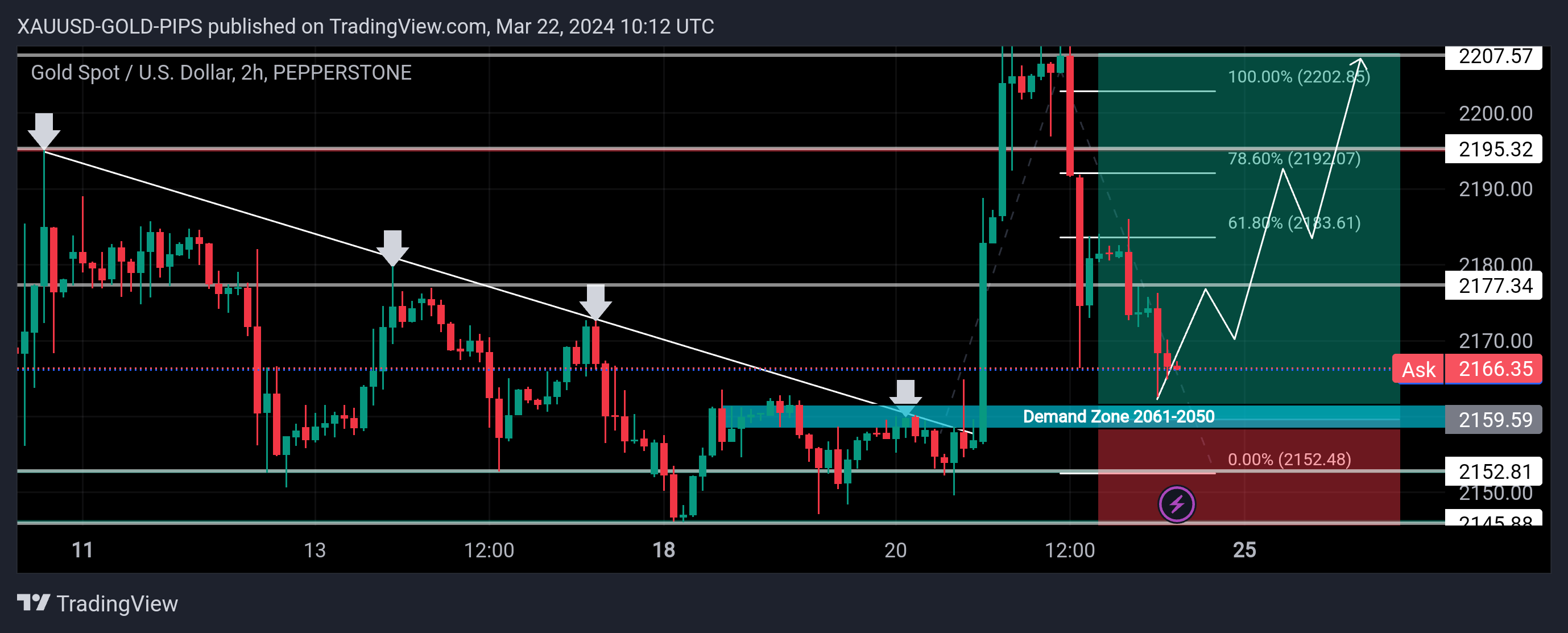
Trading XAUUSD under a prop-firm challenge is a very specific game, and it is not the same game as trading gold in your own account. The instrument is fast, news-sensitive and prone to sudden expansion. The firm's rules — daily loss limit, max drawdown, minimum trading days, consistency requirements — punish exactly the impulsive behavior that gold tends to provoke. A disciplined journal is the thing that keeps the two from colliding.
Why gold plus prop rules makes review non-negotiable
Gold can hand you a great week and take it back in a single afternoon. A 300-pip impulse move is a normal Tuesday. Spreads widen precisely when you most want to act, and a stop that looked reasonable in London can get skipped entirely on a US data spike.
Now layer the prop rules on top. On a typical FTMO-style challenge, breach the daily loss limit once and the account is gone — no averaging, no second chance. The overall max drawdown is a hard floor. This is an environment where a single unlogged, oversized, emotional trade does not just cost money, it ends the account. That is why review here leads with risk, not profit.
Log the account rules before you log a single trade
At the top of your journal, write your hard limits: max daily loss, max total drawdown, and — importantly — your own self-imposed daily stop, which should be tighter than the firm's. If the firm allows a 5% daily loss, set your personal line at 3% and treat it as the real limit.
The number that matters is not your profit target. It is the line you will not cross. Write it where you will see it every session.
Track risk per trade in R
Dollars lie to you on a challenge because the account size is fixed and the temptation is to "make it back." Track every trade in R instead, where 1R is your planned risk per trade.
If your plan is to risk 0.5% per trade, then a trade where you widened the stop and risked 1.5% is a 3R trade, and it needs to be flagged as a process failure even if it won. A green week that included one 4R cowboy trade is a failed week — you got lucky, and luck does not pass a second challenge. Reviewing in R makes oversizing impossible to hide behind a positive P&L.
Tag session and catalyst on every trade
Gold trades differently across sessions and reprices violently around US releases. Tag each trade with:
- The session — London, NY, or the overlap.
- Whether a news catalyst hit within 30 minutes of entry.
- The spread at entry, because gold spreads blow out at exactly the wrong moments.
After a few weeks the pattern is usually stark: the edge lives almost entirely in one session, and the losses cluster around news the trader should have sat out. Use the calendar view to see your fills laid over the day and week — the clustering of your bad trades around specific times is often the single most valuable thing in the whole journal.
The two killers: revenge trades and overtrading near target
Two behaviors end more funded challenges than bad analysis ever will.
Revenge trading. You take a loss on a news spike, feel robbed, and immediately re-enter bigger to get it back. Gold is happy to accommodate you straight into your daily limit. The fix is mechanical: after a loss that hits your daily stop, you are done for the day, logged and closed. No exceptions in the moment — decide it in advance.
Overtrading near the target. Counter-intuitively, the most dangerous point in a challenge is when you are one good trade from passing. People tighten up, take marginal setups to "just finish it," and give it all back. When you are close, do less, not more.
Retrace's mood tags are built for exactly this. Tag the trades you took while frustrated, bored, or rushing to hit target, and within a month the correlation between your emotional state and your worst R outcomes is undeniable. You cannot argue with your own logged pattern.
Import the cTrader statement so nothing is missed
Manual logging fails on the trades you least want to remember — the impulsive ones. Import your cTrader statement so every fill, partial and commission lands in the journal automatically, then Retrace charts each one on the real candles for you to annotate. Nothing gets quietly left out because it was embarrassing.
The weekly funded-account review
Once a week, answer three questions from your log:
- Did I ever come within one trade of a rule breach? Why, exactly?
- Which session and setup actually made the money?
- What is the one rule that would have prevented my single worst trade?
Then cut everything that is not your best session and your best setup. Under prop rules, doing less of what does not work beats finding something new that does. Prove your edge over weeks in the journal, and let the consistency — not the heroics — be the thing that gets you funded and keeps you there.